
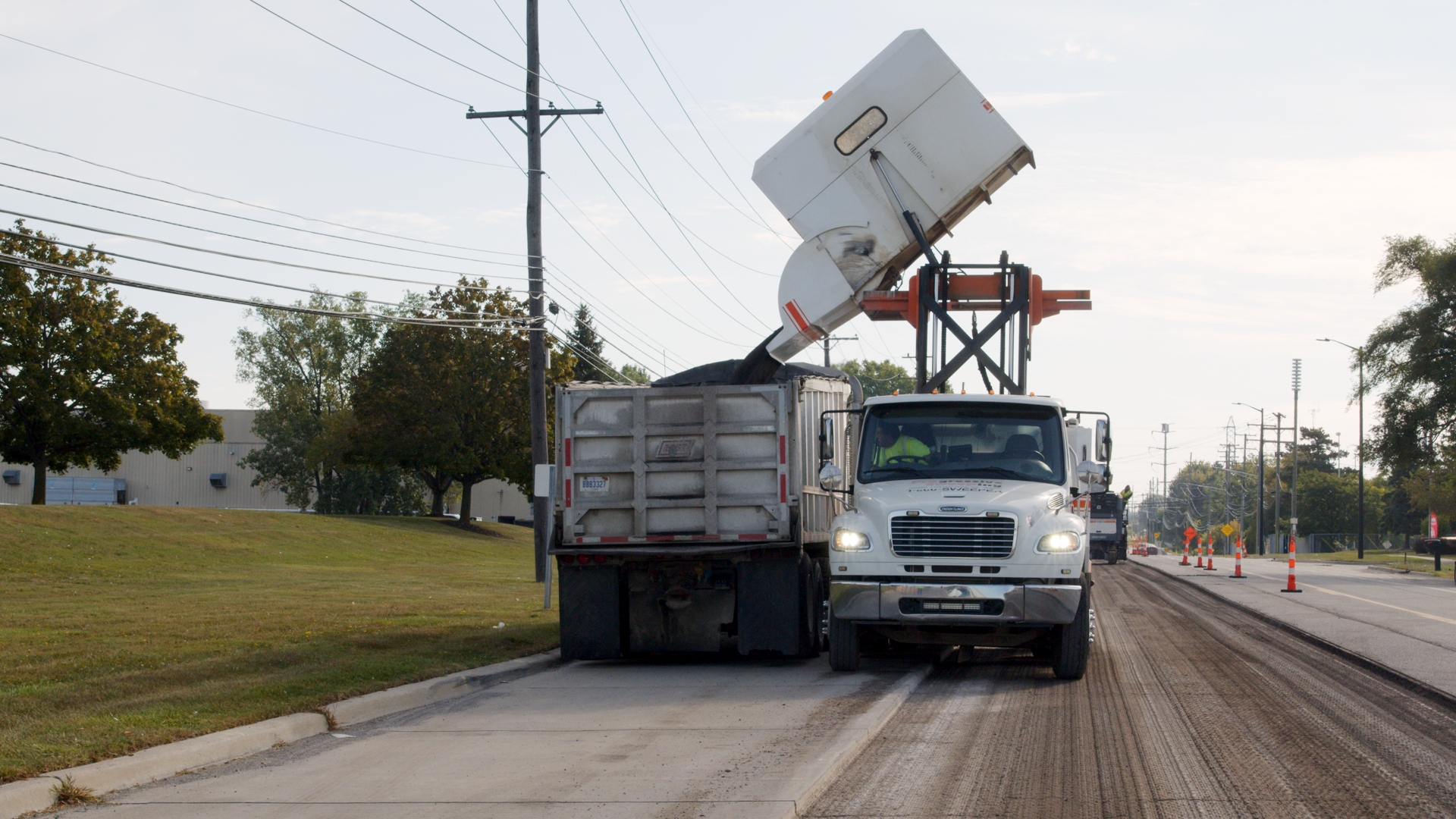
Street sweeping software is easiest to justify when you stop thinking of it as “tracking” and start treating it as an operational control system. The best street sweeping management software integrates dispatch, proof of service, exception handling, and reporting—converting field activity into billing- and audit-ready outputs. For contractors and agencies evaluating street sweeper fleet management software, operational control is where ROI becomes measurable.
For financially minded buyers—owners, COOs, and public works budgeting officers—ROI typically comes from five buckets. A strong model also accounts for proof-of-service reporting, because disputes and audits aren’t “edge cases”; they’re recurring costs that can be reduced when documentation is consistent and easy to retrieve.
- Recovered revenue (contractors)
- Reduced labor hours (admin + dispatch + supervision)
- Lower fuel burn and non-productive drive time
- Fewer avoidable rework trips and complaint-driven revisits
- Reduced risk costs (disputes, audits, penalties, and write-offs)
ROI results depend on route density, crew discipline, contract requirements, vehicle mix, and the consistency with which the team uses workflows. The numbers below are meant as reasonable, configurable examples to help you model your own case.
Eagle Eye wasn’t built as “tracking software.” It was built as a control system from real sweeping operations. Meet Mike Lucht and see how Eagle Eye evolved from field needs into the platform you see today.
To make this easy to validate, we’ll do it in two steps.
Step 1: Use a Simple ROI Framework that Finance will Accept
A strong ROI model is clear, auditable, and adjustable. Use these three lines:
- Annual Benefits = (Recovered Revenue + Labor Savings + Fuel Savings + Rework Reduction + Risk Avoidance)
- Annual Costs = (Software Subscription + Hardware + Implementation/Training + Ongoing Support)
- Net Benefit = Annual Benefits − Annual Costs
To present it in budgeting terms:
- ROI % = (Net Benefit ÷ Annual Costs) × 100
- Payback Period (months) = Annual Costs ÷ (Annual Benefits ÷ 12)
Step 2: Where ROI Actually Shows up in Sweeping Operations
Recovered Revenue from “Billable Proof” (Contractors)
A common ROI driver isn’t that work wasn’t done—it’s that work gets missed in the billing cycle because the operation runs on daily/weekly/monthly routines that create gaps. If service records are digital and tied to scheduled work, it becomes easier to confirm what was completed and ensure it was billed.
Disputes often trigger credits, discounts, delayed invoices, or rework trips—digital proof reduces those downstream costs.
How To Model It
- Track how often invoices are delayed, corrected, discounted, or missed due to weak documentation.
- Apply a conservative improvement rate based on having consistent route records and exception notes.
Example Ranges To Start With (Configurable)
- Dispute rate signal: 15%–20% (e.g., 3–4 disputes out of 20 invoices)
- Credit/discount on disputed invoices (if it happens): 5%–10%
- Improvement from better proof + documentation: 25%–50%
The point isn’t “zero disputes.” It’s fewer credits, faster resolution, and fewer “redo trips” driven by uncertainty.
Reduced Labor Hours (Admin + Dispatch + Supervision)
This is often the most defensible ROI bucket because it can be measured quickly. Software reduces the time spent administering, inputting, and reconciling actual work:
- Reconciling scheduled vs. completed routes
- Compiling proof for customer questions
- Chasing missing notes, exceptions, and completion status
- Cleaning up data for reporting and billing exports
It may not eliminate the time you spend analyzing route performance—but it often shifts time from manual cleanup into higher-value oversight and optimization.
Pug-in Example Based on Typical Operations (Configurable)
- Admin/reconciliation time: 2–3 hours/day
- Loaded hourly cost (wage + burden): $30–$45/hour
- Conservative time reduction once workflows are consistent: 25%–40%
What That Translates to Annually
- Baseline: ~520–780 hours/year (2–3 hours/day, 5 days/week)
- Hours saved: ~130–312 hours/year
- Dollar value: ~$3,900–$14,040/year
This is why ROI is not defined by fleet size—whether you manage 1 truck or 100, the admin reconciliation loop still exists.
Lower fuel burn and non-productive drive time
Fuel ROI tends to come from reducing “waste miles” and “waste minutes”:
- Less deadheading between jobs
- Fewer inefficient route sequences
- Less idle time while dispatch sorts out changes
- Fewer repeat passes caused by unclear instructions
How To Model It
Use your baseline annual fuel spend and model a modest improvement.
Example Range (Configurable)
- Fuel savings: 2%–6% of annual fuel spend
- Fuel savings alone may not justify the system—but it strengthens the business case when paired with admin and billing improvements.
Fewer Avoidable Rework Trips and Complaint-Driven Revisits
Rework is expensive because it hits multiple cost centers:
-
- Overtime
- Fuel
- Wear-and-tear
- Schedule disruption
- Reduced capacity for new work
Rework trips often happen when you can’t confidently prove service or document exceptions. When route history, geofencing, and exception notes are consistent, teams reduce “redo sweeps” done purely to avoid conflict.
How To Model It
- Track how many revisits per month are driven by complaints or uncertainty.
- Multiply by the average revisit cost (labor + fuel + overhead).
Even small reductions add up because rework costs are concentrated and disruptive.
Reduced Risk Costs (Disputes, Audits, Penalties, and Write-Offs)
Risk ROI looks different for contractors vs. municipalities:
- Contractors: fewer credits, fewer penalties for missed windows, stronger renewals due to documented service history
- Municipal/public works: better program accountability, faster responses to citizen complaints, and stronger reporting for leadership/oversight
How To Model It
- Use a conservative “risk allowance” based on historical credits, penalties, or audit effort.
- Keep it defensible—finance teams prefer conservative ranges.
A Tighter ROI Model Using Real-World Inputs
Here’s a compact model you can present internally:
Annual Benefits (A Conservative Example)
- Admin/reconciliation value: ~$3,900–$14,040/year
- Dispute handling time value: ~$60–$360/year
- Reduced credits/rework: variable (depends on invoice size and whether disputes trigger discounts or redo work)
- Fuel savings: 2%–6% of annual fuel spend (configurable)
Example Annual Costs
- Subscription (software)
- Hardware (if needed)
- Implementation/training
- Ongoing support and adoption reinforcement
Outcome
Payback can range from months to a year, depending on scale, discipline, and how much admin reconciliation and billing leakage currently exists.
A Tighter ROI Model Using Real-World Inputs
These questions strengthen the ROI case and reduce purchase risk:
- How fast can we retrieve proof-of-service by site/date?
- Can we standardize exception documentation across crews?
- What admin tasks will be eliminated vs. reduced?
- What reports will replace manual spreadsheets?
- How will billing outputs be generated, reviewed, and exported?
- What implementation and training is included—and what’s ongoing?
- What metrics will we track in the first 30–60 days to confirm ROI?
Validating ROI in the First 30 Days (Simple and Measurable)
Pick three metrics to track immediately:
- Admin/reconciliation hours per week (before vs. after)
- Time-to-retrieve proof for a disputed site/date (before vs. after)
- Number of credits/revisits triggered by uncertainty (trend over time)
If those three improve, you’re capturing the core ROI.
FAQs
Q: What is the ROI of street sweeping software?
A: ROI typically comes from five buckets: recovered revenue (billable proof), reduced labor hours (admin/dispatch/reconciliation), lower fuel and non-productive drive time, fewer rework trips, and reduced risk costs (disputes, audits, penalties, write-offs). Results depend on route density, crew discipline, and workflow adoption.
Q: How do you calculate ROI for street sweeping software?
A: Use a simple finance-friendly model: Annual Benefits − Annual Costs = Net Benefit. Then calculate ROI % = (Net Benefit ÷ Annual Costs) × 100 and Payback Period (months) = Annual Costs ÷ (Annual Benefits ÷ 12). Keep inputs auditable and adjustable.
Q: What’s the fastest ROI win for most sweeping operations?
A: Labor time reduction (admin + dispatch + reconciliation) is often the fastest to validate because it’s measurable within weeks. Software reduces manual cleanup—reconciling scheduled vs. completed routes, compiling proof, chasing missing exceptions, and preparing reports for billing/export.
Q: How does proof of service improve ROI for contractors?
A: Proof of service ties completed work to a job record (zones, timestamps, route history, exceptions) so invoices don’t get delayed, discounted, or missed due to weak documentation. It also reduces credits and “redo sweeps” triggered by uncertainty during disputes.
Q: What are “recovered revenue” and “billing leakage” in street sweeping?
A: Recovered revenue is money you should have billed but didn’t—often due to gaps between scheduled work, completed work, and the billing cycle. Billing leakage shows up as missed invoices, delayed billing, unbilled add-ons, or discounts/credits caused by incomplete documentation.
Q: How much can street sweeping software reduce admin time?
A: A conservative planning range is 25%–40% reduction once workflows are consistently used. The most defensible approach is to measure current reconciliation hours/week, then compare after adoption using the same routes and reporting requirements.
Q: Will fuel savings alone justify street sweeping software?
A: Usually not by itself. Fuel savings are often modeled as a modest percentage of annual fuel spend (e.g., 2%–6% as a configurable planning range), but ROI is strongest when fuel savings are combined with admin reduction and better proof-of-service/billing workflows.
Q: What causes rework trips in street sweeping—and how does software reduce them?
A: Rework trips often happen when teams can’t confidently prove service or document exceptions (blocked access, weather, closures). When route history, geofenced zones, and exception notes are consistent, “redo sweeps” driven purely by uncertainty typically decline.
Q: What does “risk ROI” mean for sweeping contractors vs municipalities?
A: For contractors, risk ROI shows up as fewer credits, fewer penalties for missed windows, and stronger renewals due to documented service history. For municipalities/public works, risk ROI shows up as improved accountability, faster complaint response, and stronger reporting for oversight.
Q: How do you validate ROI in the first 30 days?
A: Track three simple metrics before vs. after: (1) admin/reconciliation hours per week, (2) time-to-retrieve proof for a disputed site/date, and (3) number of credits or revisits triggered by uncertainty. If these improve, you’re capturing core ROI.
Q: What questions should finance-minded buyers ask before approving?
A: Key questions include: How fast can we retrieve proof-of-service by site/date? Can we standardize exception documentation? Which manual spreadsheets/reports will be replaced? How will billing outputs be generated/exported? What training is included, and what metrics will confirm ROI in 30–60 days?
Q: Does ROI depend on fleet size?
A: Fleet size matters, but ROI isn’t defined by fleet size alone. Even small fleets still have an admin reconciliation loop (scheduled → completed → billed), dispute handling, and rework risk. The strongest ROI cases are driven by workflow discipline and documentation consistency.
Q: What’s a realistic payback period for street sweeping software?
A: Payback can range from months to about a year, depending on scale, current admin burden, documentation gaps, dispute frequency, and adoption consistency. A conservative approach is to model payback using measurable admin hours saved plus any verified reduction in credits/rework.
Affiliations and Partners

Our network of satisfied clients strengthens our commitment to excellence.

Transform Your Sweeping Operations Now!
0 Comments